Why the Federal Reserve's Pace of Rate Hikes Matters More Than the Amount
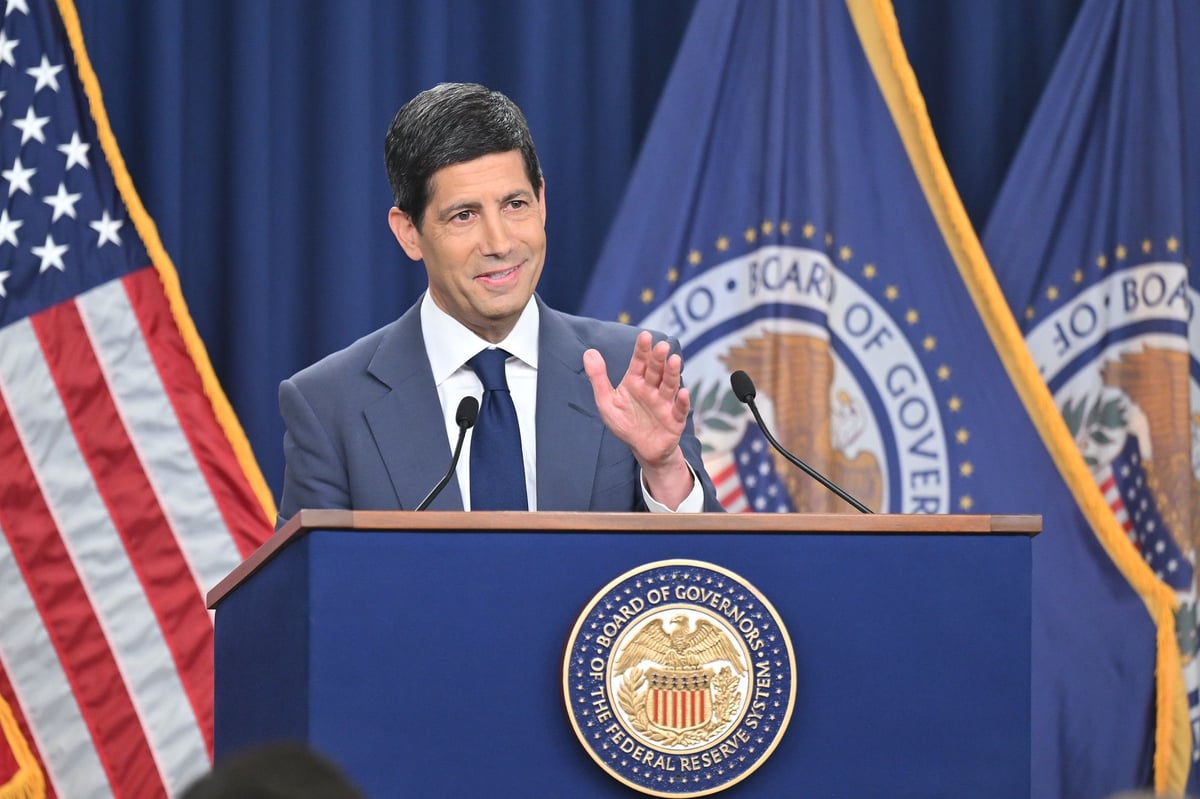
As the Federal Reserve prepares for potential further rate hikes, historical analysis shows that a gradual pace of increases is significantly less damaging to the stock market than aggressive tightening cycles.
 🧠AI Analysis
Photo: Motley Fool
Key points
- Federal funds futures indicate a 100% chance of another quarter-point rate hike next month.
- Historical data shows slow rate-hiking cycles are historically less damaging to stocks than rapid increases.
- Energy-driven inflation and geopolitical conflicts remain primary wildcards capable of altering Fed policy.
With inflation heating up, the Federal Reserve is weighing its next policy steps after raising the federal funds rate by a quarter point in September and holding steady in October. According to fed funds futures, markets are fully pricing in at least another quarter-point hike next month, pushing expectations toward a 4.50% to 4.75% range by June 2027. For everyday investors and households, the central bank's speed in implementing these adjustments matters just as much as the ultimate peak of borrowing costs.
History Points to Gradual Relief for Stocks
Higher interest rates typically create headwinds for equity prices, but historical data reveals that the velocity of monetary tightening dictates the severity of the market reaction. A recent study by Charles Schwab examining rate-hiking cycles since World War II separated them into slow and fast trajectories. While rapid tightening spurs defensive positioning due to heightened uncertainty, gradual adjustments tend to cushion potential downside for major indexes like the S&P 500, which has slipped roughly 3% from its highs.
- Fed policy trajectory: Futures markets classify the current path as a slow rate-hiking cycle.
- Market sentiment: Sudden rate changes foster economic ambiguity, whereas predictable pacing helps stabilize investor confidence.
- External catalysts: Ongoing energy-driven inflation tied to geopolitical conflicts remains a key variable that could alter the central bank's timeline.
AI Analysis: Historical precedents indicate that the Federal Reserve's deliberate pacing in monetary policy helps mitigate extreme volatility for retail investors. While stubborn energy inflation poses ongoing risks to the current slow-hiking framework, a gradual approach generally prevents the severe valuation contractions typically seen during aggressive tightening phases.
Source Motley Fool — fool.com/investing/2026/11/15/fed-is-raising-rates-slow-way-history… ↗
Read next
 📈Markets
21Shares Predicts New Bitcoin Highs by 2027 Amid Institutional Accumulation
Cryptocurrency provider 21Shares projects that Bitcoin will reach new record highs by 2027, driven by sustained institutional accumulation despite recent market correctio…
 📈Markets
Nvidia Faces Unprecedented Turmoil Following Leadership Departure
Nvidia Corporation is experiencing significant instability as long-time chief executive Jensen Huang steps down, leaving the board to navigate a critical transition perio…
 🧠AI Analysis
Billionaire Investor Philippe Laffont Identifies Meta and Intel as Key Winners in the Agentic AI Era
Coatue Management founder Philippe Laffont has highlighted Meta Platforms and Intel as prime beneficiaries of the upcoming agentic AI wave, ramping up his fund's investme…
 🧠AI Analysis
Federal Agricultural Mortgage Preferred Shares Offer Yields Above 8 Percent
Fixed-income investors are capitalizing on elevated interest rates by targeting preferred shares, with Federal Agricultural Mortgage Corporation offering yields climbing …
 🧠AI Analysis
ASML Versus SK Hynix: Comparing Semiconductor Giants for Long-Term Portfolios
A detailed financial comparison of chip equipment maker ASML and memory producer SK Hynix highlights differing growth rates and valuations within the artificial intellige…
 💼Investing
Navigating Market Volatility: Why One Fund Remains a Go-Through Choice for the Next Downturn
Despite ongoing economic worries and a fluctuating year-to-date market gain of 8%, seasoned analysts point to defensive growth exchange-traded funds as reliable anchors t…