Japanese Startup Rapidus Aims to Challenge TSMC in Advanced Chipmaking
Japanese foundry startup Rapidus is targeting mass production of 2-nanometer chips by late 2027 or early 2028 at a significant discount to market leader TSMC, despite facing early technical hurdles.
 🧠AI Analysis
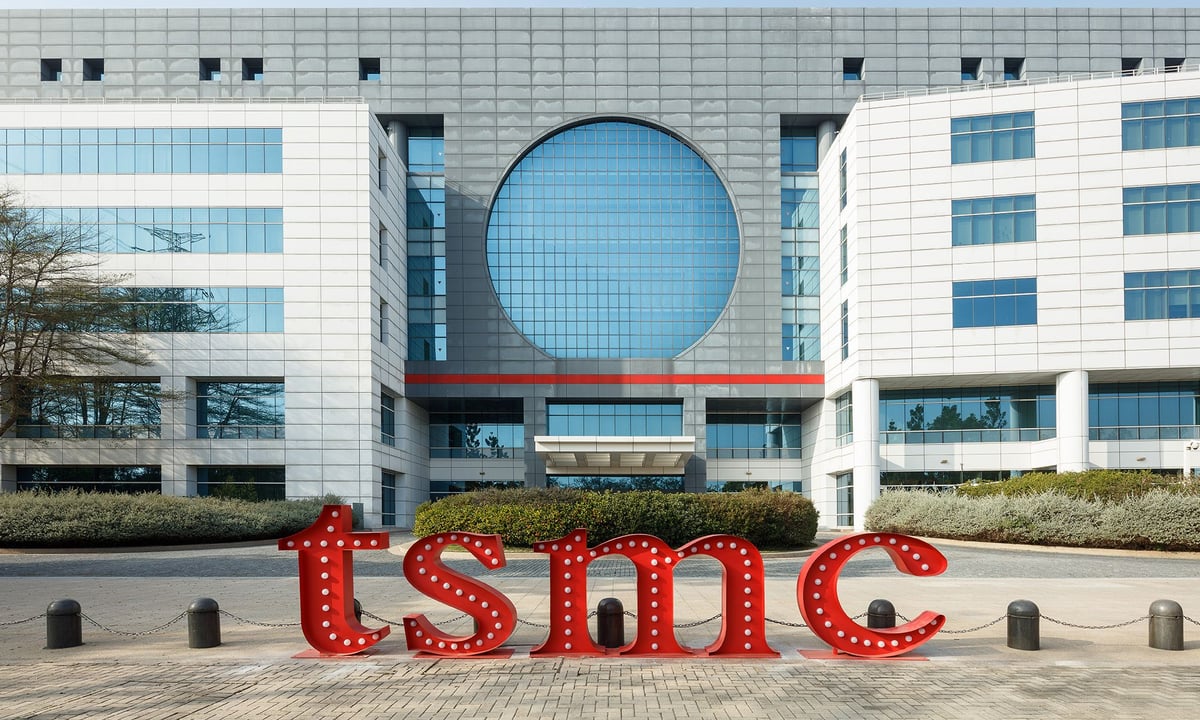
Photo: Motley Fool
Key points
- Rapidus targets 2027-2028 for 2nm production
- Startup undercuts TSMC pricing significantly
- TSMC maintains massive market share and growing revenue
A heavily backed Japanese startup is looking to challenge Taiwan Semiconductor Manufacturing Company's dominance in the advanced contract chipmaking sector. Rapidus, which has secured billions in financial backing from the Japanese government and is collaborating with IBM, aims to start commercial production of 2-nanometer semiconductors by late 2027 or early 2028. The firm has signaled potential pricing of roughly $21,000 per wafer for this technology, positioning it well below reported rates of about $30,000 for TSMC's competing 2-nanometer process.
Despite these ambitious goals, Rapidus faces substantial obstacles in its manufacturing pipeline. Recent reports indicate that the company has experienced difficulties meeting crucial technical milestones, such as successfully producing functioning static random access memory cells. While news agencies have discussed potential schedule delays of roughly a year, Rapidus leadership has publicly maintained its original timeline. The startup has initiated trial operations at its facility in Hokkaido and engaged with over 60 prospective clients as part of Japan's broader initiative to revive its domestic semiconductor industry.
Meanwhile, industry incumbent TSMC continues to command the global third-party foundry market with an estimated 73% share. In its third quarter, TSMC reported $46.7 billion in revenue, marking a 41.2% increase from the prior year, alongside a gross margin of 66.4%. The established giant already generates 8% of its wafer revenue from 2-nanometer technology and manufactured over 12,600 distinct products across 305 processes. Major technology companies requiring sophisticated, reliable production partners continue to rely heavily on TSMC's established scale and execution capabilities.
- Production Timeline: Rapidus is targeting mass production of 2-nanometer chips by late 2027 or early 2028.
- Price Point: The startup aims to price its wafers at approximately $21,000, undercutting competitors.
- Market Leader: TSMC holds roughly 73% of the global third-party foundry market and reported $46.7 billion in third-quarter revenue.
What to watch next: Monitor whether Rapidus can overcome its early technical setbacks and successfully pass crucial manufacturing milestones to stay on schedule.
Source Motley Fool — fool.com/investing/2026/11/14/why-a-rising-tsmc-challenger-could-re… ↗
Read next
 🧠AI Analysis
Mapping Out a $500 Stake in Two Emerging Quantum Computing Enterprises
A breakdown of a $500 allocation into Infleqtion and Xanadu reveals the high-risk, high-reward nature of early-stage quantum computing investments.
 🧠AI Analysis
Bitcoin Eyes Resistance Near $61,800 Following Support Bounce
Bitcoin displays bullish momentum after rebounding from a key support zone, with potential movement toward the 61,800 resistance level.
 🧠AI Analysis
Analyst Suggests Taking Profits on Global X MSCI Colombia ETF
Market analysts recommend locking in gains on Colombian equities amid current macroeconomic conditions.
 🧠AI Analysis
Anthropic IPO Momentum Fades as Stock Slips Below Opening Levels
Anthropic shares declined following a strong market debut, prompting market watchers to evaluate potential short-term downside risks.
 📈Markets
Bitcoin Tests Critical Monthly Support Level as Traders Watch for Breakdown or Rebound
Bitcoin is hovering near a vital monthly support level, with technical analysts warning that a close below this threshold could risk a drop toward the $32,000 region.
 🧠AI Analysis
Bitcoin Tests $58,000 Put Wall Following Market Flush
Bitcoin is hovering near the $58,000 level after dropping to a low of $55,127, with traders closely monitoring key support and resistance zones tied to upcoming options e…