Nvidia Faces Intense Scrutiny Over Export Controls and Governance, Damping Hopes of a Quick Comeback
A vocal group of tech executives calling for Jensen Huang's reinstatement ignores critical issues regarding workplace conduct and allegations of circumventing U.S. chip export controls to China.
 🏢Companies
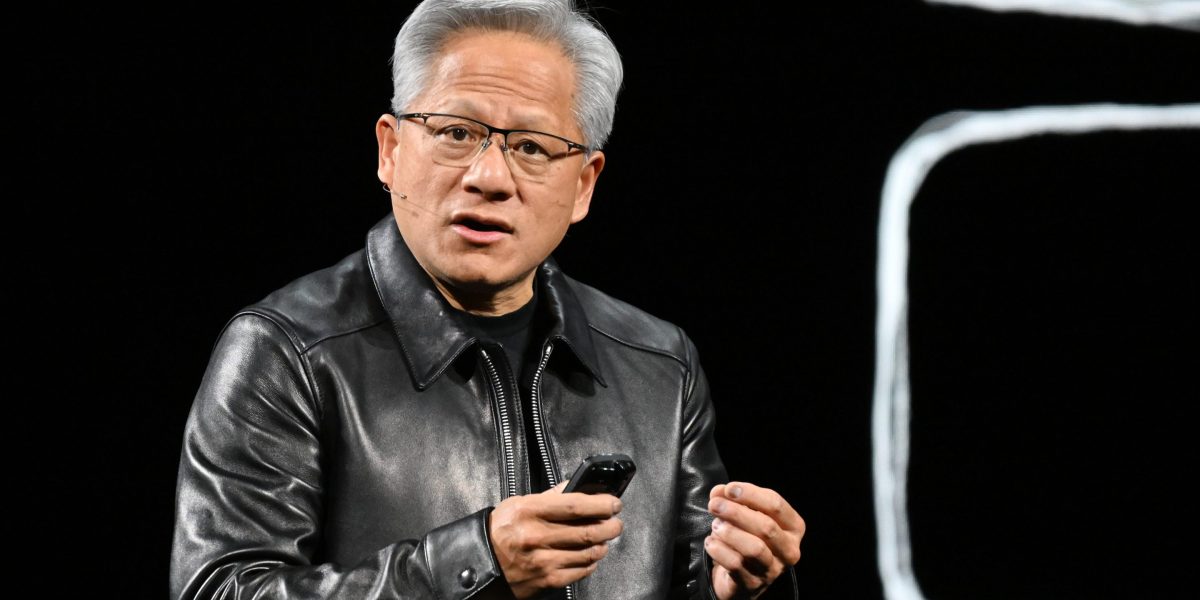
Photo: Fortune
Key points
- Tech figures lobby for Jensen Huang's return following his resignation.
- Reports link billions in advanced Nvidia chips to banned Chinese buyers.
- Restricted processors were allegedly traced to Chinese military institutions.
A small coalition of prominent tech figures is advocating for the return of Jensen Huang as Nvidia CEO following his recent resignation, drawing parallels to past Silicon Valley leadership returns. However, supporters dismissing the situation as a minor governance dispute are overlooking severe regulatory and compliance failures that separate this situation from previous high-profile corporate comebacks.
Beyond the acknowledged conflicts of interest stemming from workplace relationships with direct subordinates—which have routinely triggered executive departures at major corporations including HP, McDonald's, and Intel—investors face much graver concerns regarding Nvidia's regulatory compliance. Treasury Secretary Scott Bessent recently highlighted troubling questions surrounding whether the chipmaker pushed illicit sales to inflate revenue figures.
Investigation reports from financial publications and research firms indicate a substantial paper trail involving restricted advanced semiconductors flowing into China. Shipment records reviewed by the Wall Street Journal tied a network to nearly $12 billion in orders of high-end Nvidia chips for Chinese buyers between early 2024 and mid-2025. Bloomberg documents further revealed that a firm founded by Alice Huang reported holding banned H100, H200, and H800 hardware in a Shanghai data center, with routing often involving intermediaries in Singapore and Southeast Asia.
Public procurement studies from Reuters and WireScreen have since tracked these export-controlled accelerators directly to blacklisted Chinese military entities, including institutions researching missiles, alongside branches of the People's Liberation Army. Additionally, forensic analyses suggest Chinese labs have utilized these restricted processors to train advanced artificial intelligence models.
What to watch next: Monitor federal regulatory findings, potential Department of Justice updates regarding semiconductor smuggling networks, and official board announcements concerning Nvidia's long-term governance structure.
Source Fortune — fortune.com/2026/11/15/bring-back-jensen-huang-nvidia-tech-bros-wrong/ ↗
Read next
 🧠AI Analysis
Zcash Tests Critical Support Zone After 53% Correction
Zcash recently pulled back roughly 53% from its high of 1,699, testing a critical demand cluster between 775 and 800. Everyday investors are closely monitoring whether fo…
 🧠AI Analysis
Dogecoin Technical Analysis Points to Support Levels Near $0.055 Amid Muted Volume
Dogecoin trades near $0.055 following a weekly decline of roughly 7.5%, hovering below key moving averages as technical charts highlight a critical long-term support zone…
 🧠AI Analysis
Archer Aviation Shifts Strategic Focus Amid Investor Impatience
Archer Aviation management is pivoting the company's narrative from an eVTOL developer to a broader aerospace and defense platform during its latest earnings call, as mar…
 🌍World Business
Bitcoin Technical Analysis Points to Potential Bearish Continuation Setup
Cryptocurrency analysts outline a potential bearish continuation setup for Bitcoin, contingent on a specific price recovery and subsequent rejection at resistance levels.
Los Angeles Developer Lists $30 Million Mansion, Open to Anthropic and OpenAI Stock
A Los Angeles real estate developer has listed a nearly $30 million modern mansion in Brentwood while offering to accept private equity in top artificial intelligence sta…
 🧠AI Analysis
Analyst Advises Divesting From Intel Amid Persistent Growth Headwinds
An independent market analysis recommends selling shares of Intel Corporation, arguing that current downsizing efforts and forward guidance will not yield a rapid turnaro…