Nvidia at the Center of Rising Concerns Over AI Governance and Export Controls
Recent policy shifts surrounding tech export restrictions have placed Nvidia and former executive leadership under scrutiny regarding federal oversight and regulatory compliance.
 🏢Companies
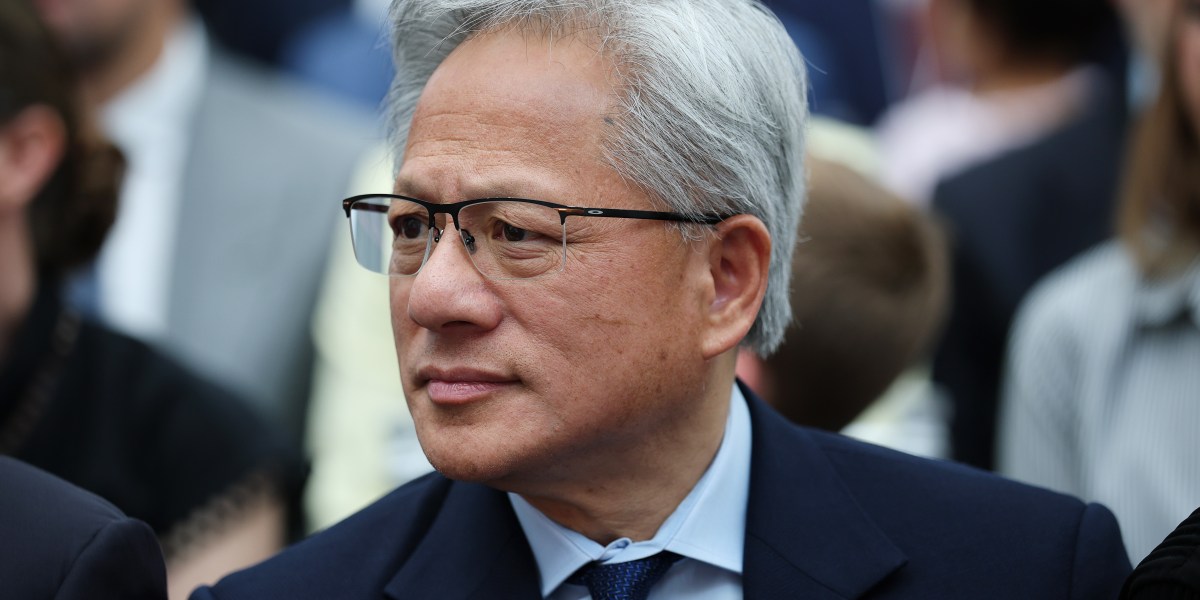
Photo: Fortune
Key points
- Export controls on advanced chips create high-profit incentives and regulatory complexities.
- Administrative exemptions allowed certain semiconductor shipments under revenue-sharing terms.
- Corporate compliance practices and lobbying efforts face growing scrutiny from policy experts.
U.S. export policies designed to manage advanced technology shipments abroad are increasingly intersecting with governance challenges, according to recent academic and policy assessments. Rather than technology enabling illicit activities automatically, international panels note that oversight vulnerabilities often begin with leadership interactions between corporate executives and government officials shaping trade rules.
During the previous year, the Trump administration placed limitations on advanced semiconductor sales to China to safeguard domestic technological advantages. However, policy adjustments emerged following executive engagement, eventually allowing shipments of the H200 chip under specific revenue-sharing arrangements with the federal government. Legal experts highlighted potential constitutional and statutory questions regarding export fees and duties associated with these administrative exemptions.
Additional scrutiny has focused on corporate interactions with regulatory bodies. Reports indicate that internal legal representatives previously engaged with inquiries concerning shipments to entities in China and Malaysia, while key trade officials allegedly bypassed warnings regarding the former CEO's lobbying efforts. Such friction points underline the complex vulnerabilities inherent in managing high-value dual-use technology supply chains.
The concentration of discretionary power within bureaucratic licensing systems creates substantial financial incentives for market participants. While major tech firms and chip competitors advocate for tighter export restrictions to limit rivals, opaque national security exemptions continue to obscure regulatory accountability, particularly following structural reductions in federal oversight personnel.
Source Fortune — fortune.com/2026/11/14/ai-corruption-nvidia-export-controls-lutnick-sus… ↗
Read next
 🧠AI Analysis
Zcash Tests Critical Support Zone After 53% Correction
Zcash recently pulled back roughly 53% from its high of 1,699, testing a critical demand cluster between 775 and 800. Everyday investors are closely monitoring whether fo…
 🧠AI Analysis
Dogecoin Technical Analysis Points to Support Levels Near $0.055 Amid Muted Volume
Dogecoin trades near $0.055 following a weekly decline of roughly 7.5%, hovering below key moving averages as technical charts highlight a critical long-term support zone…
 🧠AI Analysis
Archer Aviation Shifts Strategic Focus Amid Investor Impatience
Archer Aviation management is pivoting the company's narrative from an eVTOL developer to a broader aerospace and defense platform during its latest earnings call, as mar…
 🌍World Business
Bitcoin Technical Analysis Points to Potential Bearish Continuation Setup
Cryptocurrency analysts outline a potential bearish continuation setup for Bitcoin, contingent on a specific price recovery and subsequent rejection at resistance levels.
Los Angeles Developer Lists $30 Million Mansion, Open to Anthropic and OpenAI Stock
A Los Angeles real estate developer has listed a nearly $30 million modern mansion in Brentwood while offering to accept private equity in top artificial intelligence sta…
 🧠AI Analysis
Analyst Advises Divesting From Intel Amid Persistent Growth Headwinds
An independent market analysis recommends selling shares of Intel Corporation, arguing that current downsizing efforts and forward guidance will not yield a rapid turnaro…