Corporate Governance and Voting Structures: Why Nvidia's Leadership Transition Matters
The recent resignation of Nvidia CEO Jensen Huang highlights the critical role of corporate boards in public companies. Investors are being urged to scrutinize voting structures as they evaluate potential risks in high-profile firms like SpaceX and Anthropic.
 💼Investing
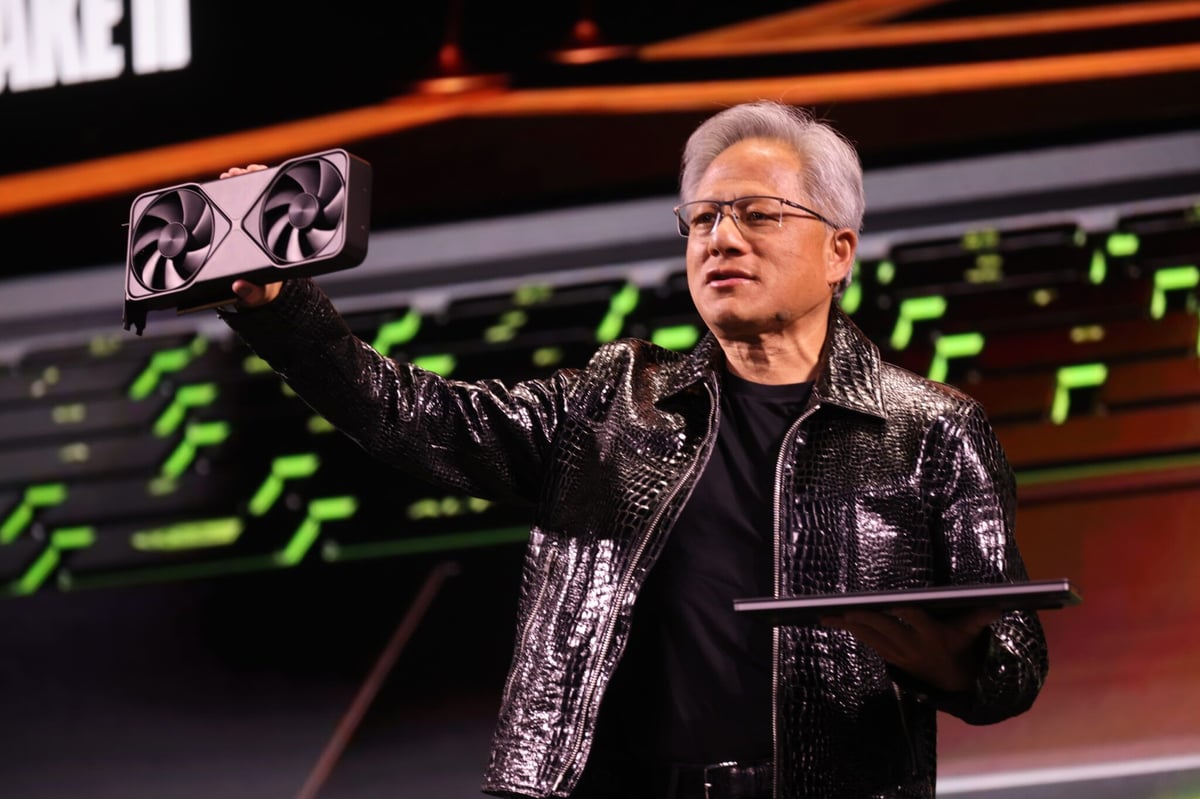
Photo: Motley Fool
Key points
- Nvidia's board structure allowed for oversight during the CEO's resignation.
- SpaceX and Anthropic utilize voting structures that concentrate power with founders.
- Investors are advised to review voting rights as a key risk factor in due diligence.
The departure of Nvidia CEO Jensen Huang following allegations of irregular business dealings with China has brought the importance of corporate governance to the forefront of investor concerns. As a public company, Nvidia utilized its board of directors to address the situation, reinforcing the standard oversight mechanisms designed to protect shareholder interests. This structure ensures that no single individual maintains absolute control, with major institutional investors like BlackRock holding significant stakes alongside a distributed ownership base.
In contrast, emerging industry giants such as SpaceX and Anthropic have adopted governance models that concentrate power within a small group of founders. At SpaceX, CEO Elon Musk holds 85% of the voting rights, effectively limiting the board's ability to challenge executive decisions. Similarly, Anthropic utilizes a complex, multi-class stock system that divides control between co-founders and a long-term benefit trust, creating a framework where traditional shareholder recourse is significantly restricted.
These concentrated structures are not unique to new entrants; established tech firms like Meta Platforms and Alphabet also rely on founder-controlled voting systems. For everyday investors, these arrangements mean that in the event of a leadership crisis or ethical breach, the ability to influence corporate change is severely hampered. Experts suggest that evaluating a company's voting rights and board independence should be a fundamental component of the due diligence process to mitigate long-term capital risks.
Source Motley Fool — fool.com/investing/2026/11/18/jensen-huang-downfall-dangers-investi… ↗
Read next
 🧠AI Analysis
Bitcoin Slips Below Key Support Level as Bearish Technical Structure Takes Hold
Bitcoin recently traded around $59,090 following a decisive breakdown below the crucial $62,000–$64,000 support zone, shifting short-term market momentum toward sellers.
 🧠AI Analysis
Bitcoin Tests Support Following Drop Below $60,000 Milestone
Bitcoin recently swept the $55,000 mark before rebounding toward the $59,100 region following a sharp decline that broke previous support levels on November 20.
 🧠AI Analysis
Evaluating HF Sinclair and the Turning Oil Refining Cycle
HF Sinclair has experienced impressive expansion driven largely by its refining sector, but market observers suggest the cyclical peak may be near.
 🧠AI Analysis
Bitcoin Technical Outlook Signals Persistent Bearish Structure Despite Short-Term Bounce
Bitcoin remains constrained by a broader bearish pattern on short-term charts as dynamic trendline resistance caps recovery attempts. Although price recently rebounded fr…
 🧠AI Analysis
Mapping Out a $500 Stake in Two Emerging Quantum Computing Enterprises
A breakdown of a $500 allocation into Infleqtion and Xanadu reveals the high-risk, high-reward nature of early-stage quantum computing investments.
 🧠AI Analysis
Bitcoin Eyes Resistance Near $61,800 Following Support Bounce
Bitcoin displays bullish momentum after rebounding from a key support zone, with potential movement toward the 61,800 resistance level.