Why Tariff-Driven Price Hikes Are Here to Stay for Everyday Investors
Recent corporate earnings highlight how tariff pressures and sticky inflation are keeping consumer and industrial prices elevated, leaving little room for a quick reversal.
 🧠AI Analysis
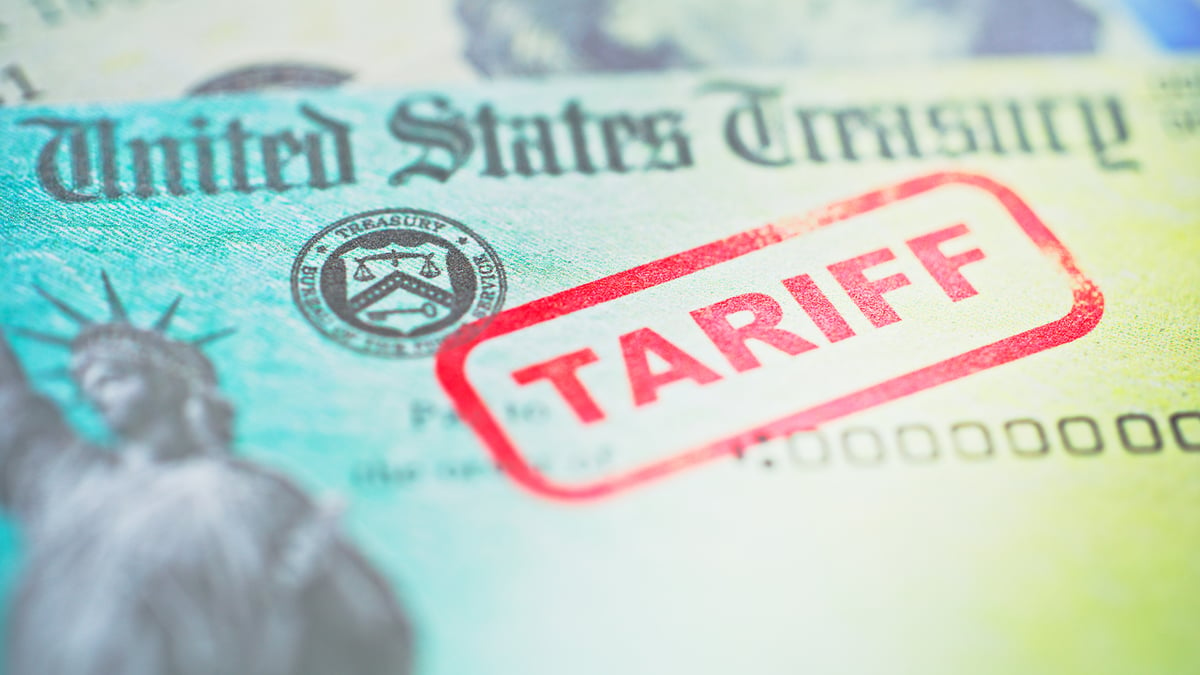
Photo: Motley Fool
Key points
- Caterpillar reported $600 million in third-quarter 2026 tariff costs.
- PepsiCo and other consumer staples firms continue battling broad input inflation.
- Supply chain adjustments often create permanent new operating expenses.
U.S. tariff policies continue to create unpredictable hurdles for businesses, resulting in persistent price increases that are unlikely to retreat anytime soon. Because inflation behaves stubbornly across the supply chain, everyday investors should understand that once companies raise prices to protect their profit margins, they rarely roll them back quickly.
Industrial bellwether Caterpillar illustrated the ongoing pressure by reporting $600 million in tariff costs during the third quarter of 2026, matching its impact from the same period in 2025. Although the machinery giant secured $128 million in tariff recoveries, heavy equipment manufacturing remains weighed down by compounding expenses, including high energy and freight charges.
Consumer-facing enterprises face similar realities. Snack and beverage leader PepsiCo pointed to input cost inflation as a persistent challenge during its third-quarter 2026 update. To combat margin erosion, companies across the retail and industrial sectors are passing costs down the line. When direct price hikes meet resistance, firms often resort to strategies like shrinking package sizes while holding prices steady.
Attempts to dodge tariffs by altering supply chains rarely provide immediate relief. Relocating production or sourcing materials from alternative regions introduces permanent operating expenses that prevent companies from lowering retail prices. Given the perpetual unpredictability of tariff implementations, corporations such as Target and others are expected to maintain current pricing structures.
Source Motley Fool — fool.com/investing/2026/11/13/tariffs-pushed-prices-up-why-retail-a… ↗
Read next
 🏢Companies
SBC Medical Group Shares Jump 37% on Strong Earnings and New AI Partnership
SBC Medical Group shares surged over 37% on Friday following a 35% jump in quarterly revenue and a newly announced artificial intelligence alliance.
 🧠AI Analysis
U.S. Aviation Grounded and Cloud Services Disrupted in Back-to-Back Infrastructure Failures
A nationwide flight suspension and a widespread Microsoft software outage disrupted travel and enterprise operations across the U.S. within a 48-hour period.
 🧠AI Analysis
Micron and Qualcomm Balance Growth and Risk Heading Into 2027
Semiconductor giants Micron Technology and Qualcomm display contrasting financial paths through 2026, forcing everyday investors to weigh data center exposure against mob…
 🏢Companies
Denali Therapeutics Reports Strong Early Adoption and $7.8 Million Revenue for AVLAYAH
Denali Therapeutics highlighted positive early momentum for its AVLAYAH launch during a recent healthcare conference, posting $7.8 million in second-quarter commercial re…
 🧠AI Analysis
Dutch Bros and Wendy's Highlight Distinct Growth and Income Strategies for Restaurant Investors
Dutch Bros generated fiscal 2025 revenue growth of nearly 27.9% behind aggressive unit expansion, while Wendy's reported lower annual top-line revenue but continues to pa…
 🏢Companies
Bob's Discount Furniture Reports Q3 Revenue Growth Amid Retail Expansion
Bob's Discount Furniture posted a 10.3% increase in third-quarter net revenue to $680 million, driven by new store openings and omnichannel retail strategies.